





|
|
New Kitten Supplies: You should have the following supplies on hand at all times to provide your kitten with complete and proper care: |
|
|
Food (I recommend the dry food, "LIFE'S ABUNDANCE", and "INSTINCTIVE CHOICE" canned) |
|
|
Food & Water Bowls (I Use Gravity Feeders & Stainless Steel) |
|
|
NuVet Plus Feline Vitamins (To Order: 1- |
|
|
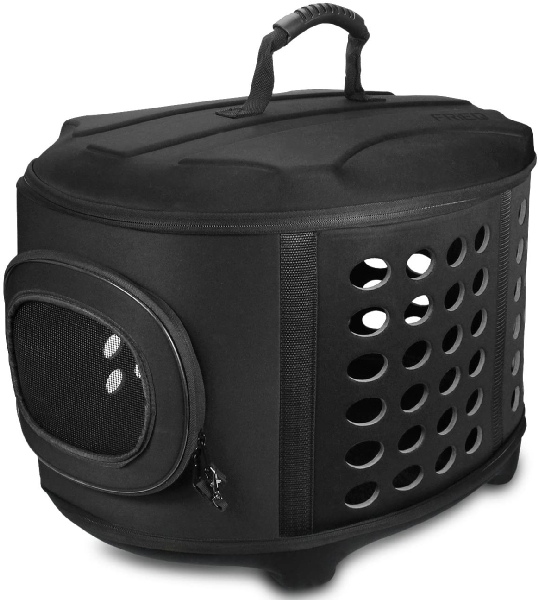
Cat Carrier Travel Crate With Comfortable Bedding (Medium for kittens, Large for adult cats) |
|
|
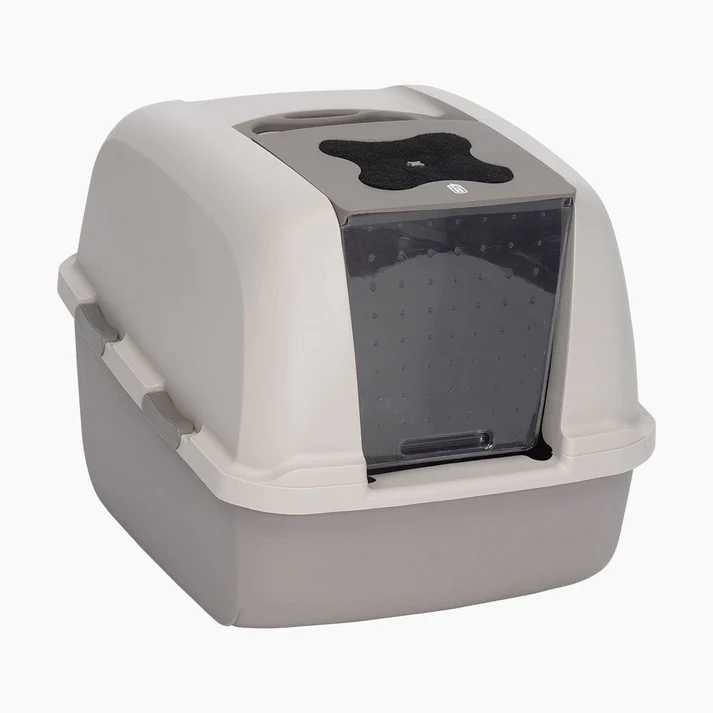
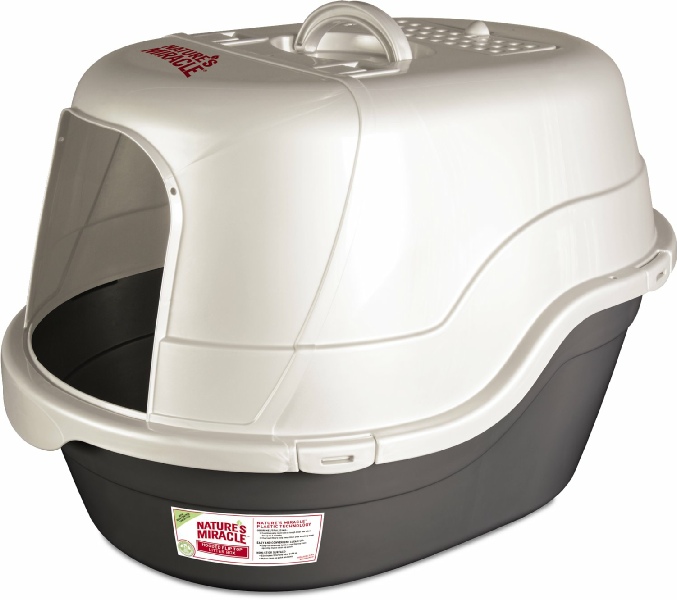
Litter Box Materials (Litter Pan, Litter Scooper, Litter Mat) |
|
|
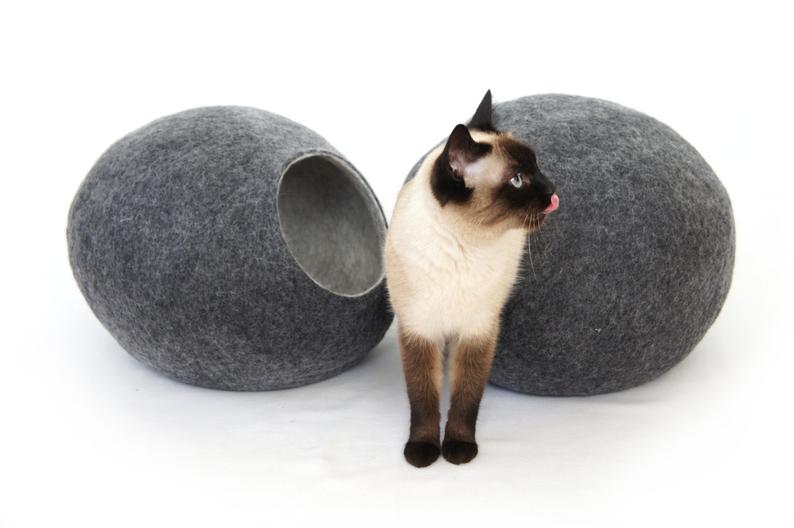
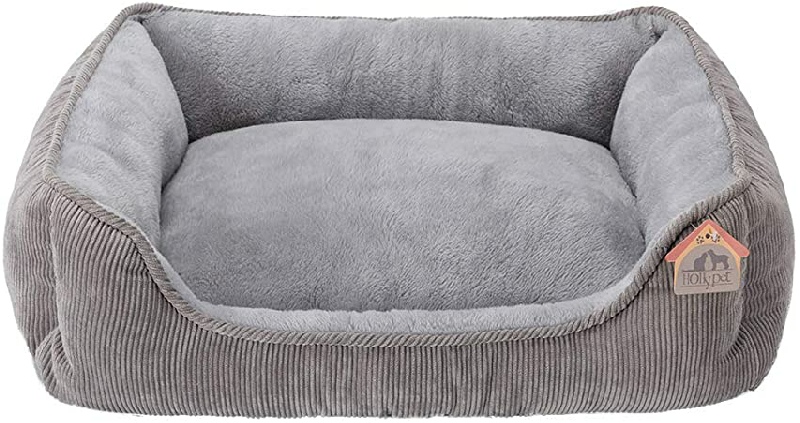
Bed (Comfortable & Washed Before It Is Used) |
|
|
Scratching Post (or go nuts! Invest In A Cat Condo or Cat Tree!) |
|
|
I.D. Collar (A Safe Small 8- |
|
|
Grooming Tools (De- |
|
|
Lots, and Lots of Toys...Especially feather teasers with bells or streamers! |



|
Instructions To Proper New Home Introduction & Shopping Tips For Products I Use |
|
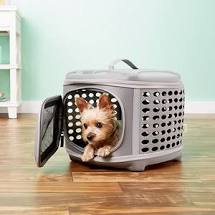
Cat Carrier Training & Cat Carriers We Use &/Or Recommend: Bring your new kitten home in a cat carrier. Cat carriers are a safe and familiar place for your kitten when you visit the veterinarian or travel, and can keep your curious excited little kitten out of trouble when outside of the home. I like using soft sided carriers myself, but a hard sided carrier is perfectly fine too. There is a pet carrier I like very much and that I highly recommend because it's sturdy yet soft and roomy, my kittens actually sleep in it so that they get used to being inside of a carrier: It is called FRiEQ, and it can be bought on Amazon, or possibly through other various online pet supply retailers. It does have to be assembled, but it comes with instructions on how to do that. The black one is the one I have because it holds multiple kittens comfortably, and holds a large cat with plenty of room. There is a smaller one that is gray that the last time I saw was sold on Chewy.com, and that is suited for a single kitten/cat. The gray one is more compact but that is okay if you just have the one kitten/cat. Honestly, any soft or hard sided pet carrier will do, this just happens to be the one we like most and that our kittens actually get transported in and even sleep in. Black (Large) Cat Carrier "FRiEQ" Photo CLICK HERE: Gray (Small) Cat Carrier "Pet Magasin" Photo CLICK HERE: |
|
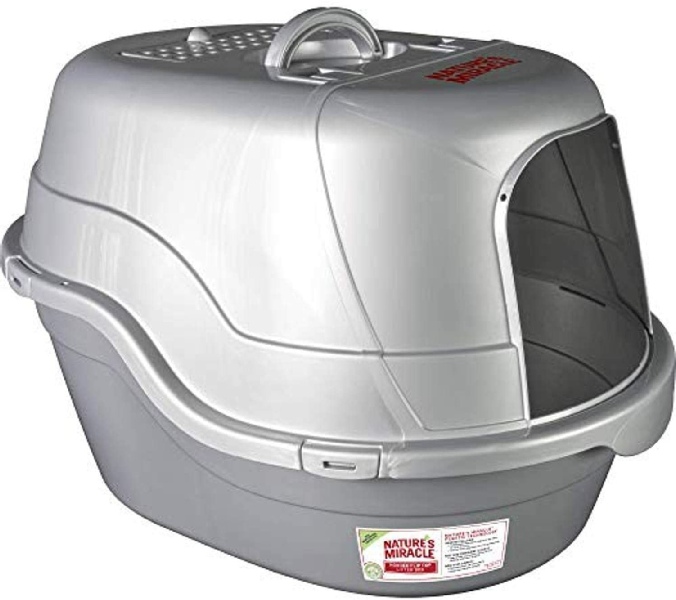
Litter Box Training & Litter Box System We Use: You can help your kitten to understand what is expected of him/her by placing it in the litter box after a feeding. Kittens do not need a full- These other litterboxes are a favorite! But, I can no longer find then for sale as easily as I could a year ago. If you find one of these, get them...they are excellent! Natures Miracle Black & White Litter Box Photo CLICK HERE Natures Miracle Gray Litter Box Photo CLICK HERE Natures Miracle Gray Litter Box Flip Lid Photo CLICK HERE |
|
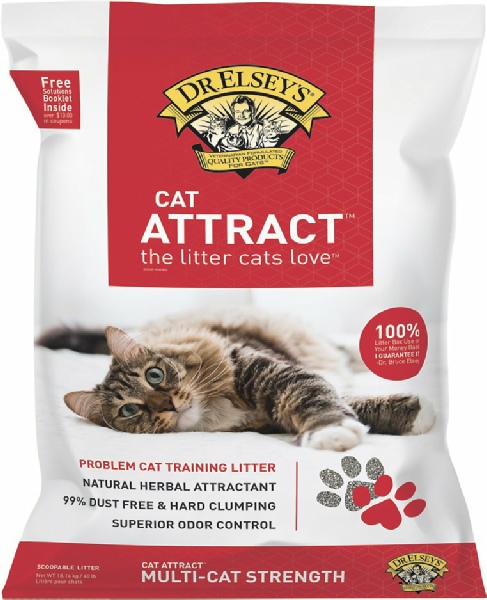
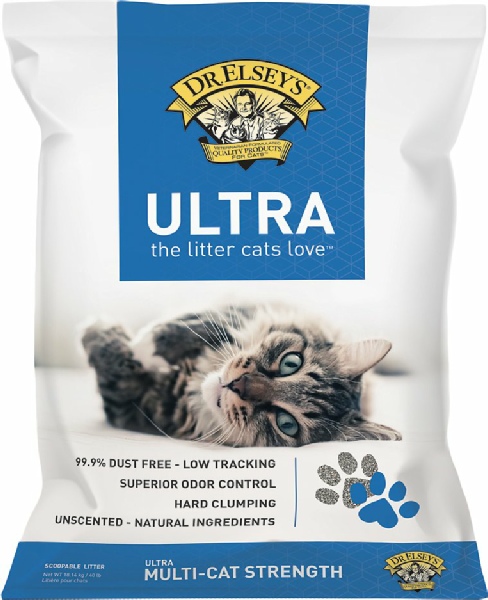
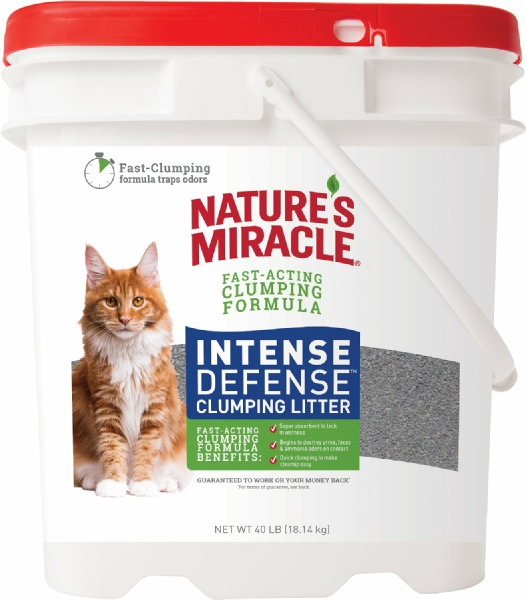
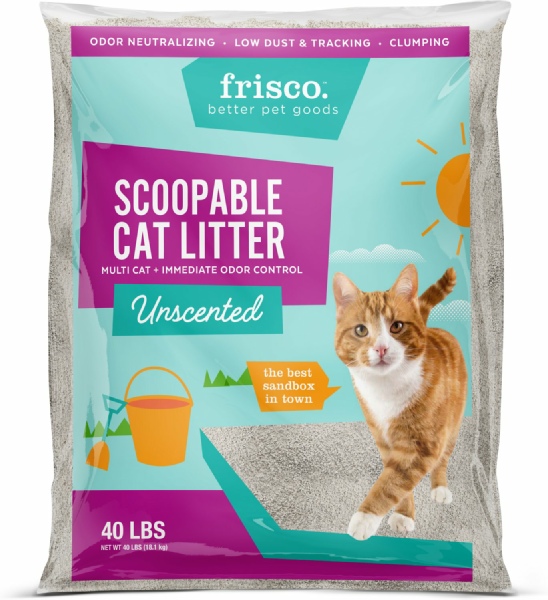
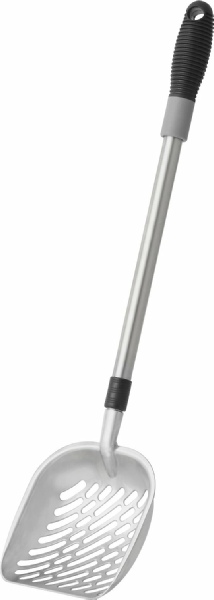
Litter Box Training Tips Including Cat Litters We Use, Litter Scoopers and Litter Mats: Watch your kitten closely. When he/she begins nosing around in corners or squatting, place her in the litter box. Gently scratch the kitten's front paws in the litter, so that it begins to learn that this is the place to deposit and bury waste. Sometimes you will hear a kitten cry when it's on or around your litter box, this is an anxious response because it really needs to 'go' but it's a brand new litter box, new home, and thus your kitten may be expressing worry. This is normal and your kitten will get over it. It's like if you moved to a new home separated by your siblings, and parents, and moved into a home with new people and needed to 'go' in a new bathroom. The toilet is the same, but the room is different and the smell is different to you. Eventually you get comfortable enough to enjoy 'going' again. It's like that for your new kitten. If your kitten has an accident, don't get upset, noboddy is perfect, we all make mistakes. Just wipe it up as best you can with a paper towel, and place the paper towel or poop pieces in the litter box. Then place the kitten in the litter box and repeat the process of scratching the cat litter with her front paws. DO NOT punish your little kitten for making a mistake and having an innocent litter box accident. This won't help it to learn to use the litter box, it will only teach him/her not to eliminate in front of you, and to also fear and dislike you. When your kitten begins to understand, don't take her good behavior for granted. Continue to praiser her for using the litter box successfully. You can even introduce some savory treats and give them to her everytime she does the right thing and when she uses her litterbox perfectly. My kittens do leave litterbox trained, but they can make a mistake if we don't set them up for success to begin with. Keep the kitten in a small room (i.e. bedroom, bathroom, etc.) for the first few weeks with it's litter box, food/water, bed and some toys. Your kitten will use the litter box, put its scent on it and then when you move it to it's permanent location she/he will be able to easily find it. BIG NOTE: Make sure your kitten stays in that same small room for the first few weeks, then open the door and let the kitten explore the rest of the home. Once you trust your kitten to explore the home unsupervised, and he/she has a pretty good lay of the land, move the litterbox to it's permanent location and show your kitten you've moved it to that location until he/she starts using it in it's new location. Some people have great success with having the same litter box, same cat litter, same litter mat put in the permanent location(s) around the house so that when the kitten explores the home, it sees them and uses them, and is more comfortable exploring and using the litter box properly. Now, for the Cat Litter brand(s) we use/recommend, firstly, we use clay based cat litter. The brands I use depending on availability (because they are so incredibly similar) are: 1. Dr. Elsys Cat Litter (you can buy either the red bag, or the blue bag which is for multiple cats) 2. Natures Miracle Clumping Litter Photo CLICK HERE 3. Frisco Cat Litter Photo CLICK HERE Anyone of those brands will work fine with your kitten. They are so similar! The important part is that they are low dust, clay based, medium grain, and feel the same to their little paws, as well as look the same to their cute little blue eyes. You start running into problems when you try to switch them to pellet litter, or to newspaper shreds, or to those eco friendly corn/wheat/pine litters they sell at the pet store. Switching over to something more eco friendly is possible, but you want to do it G- Litter Scoopers are important too as well as Litter Mats (to collect litter that falls off the cats paws as it exits the litterbox). I've found that plastic litter scoopers break easily over time and can be hard to clean too. If you can find a scoper that is made of metal with a long comfy rubber handle, then you've hit the jackpot! Metal (Steel) scoopers last a very long time and are usually easy to clean. Here's a litter Scooper we are big fans of: Frisco Long Handle Litter Scooper for a photo CLICK HERE, and HERE for a link on chewy.com where you can purchase it. There are also short handled scoopers that you can buy in most any pet store, they work too, but we prefer those long handles so we don't have to bend down so much and so that we aren't so close to the litter mess when we scoop. We keep the litter handle stored in a plastic storage box, but you can keep them stored in a ziploc bag (no, it won't all fit in there, but the messy scoop part will, if you use the ziploc to store it, remember to keep it away from the kittens so they don't chew on the plastic and get sick. You can put it in a drawer, or in a high, hard to reach location where they can't get to it. Now, for Litter Mats. Some people like using those to contain litter and keep their floors tidier, and some people don't because they have a carpet, or don't think they need one to begin with. I like them and use them because I hate stepping on cat litter debris, and then having to clean it off my feet and this creates the need for me to sweep up the litter box areas more often, ugh, more housework. I use an easy to clean rubber litter mat that helps keep the litter box in place, and collects the errant, yucky litter grains. Some kittens like to chew up their litter mat, this one is super tough and they cannot easily destroy it nor ingest pieces of it and get sick. I buy mine on amazon, but chewy.com also sells them. Do not expect to find this particular mat at a pet store, i've yet to find it there...what I do find at the pet stores are soft rubber ones that kittens chew up, can easily ingest, and then get themselves sick. No thank you! They also have the ones that look like bath mats, and I don't like that I have to wash them often (in the washing machine/dryer), and then they start to fall apart after a few washes. That's like flushing money down the drain. Plus, the kittens can also end up chewing them up and ingesting parts of it, and that is dangerous in my opinion. Here is a photo of the litter mat CLICK HERE. And here is a link where you can buy it from chewy.com, but remember you can also buy it on amazon.com. You can wash the litter mat as needed with a pet safe disinfectant spray, then rinse it, dry it, and put it under the litter box for continued use. |
|
Grooming Your New Kitten Including Nail Trimming: Brushing The Coat: It is important to make your kitten feel comfortable about grooming from an early age. Look into his/her eyes, ears, nose and mouth regularly and clean them up with q- Sponge Bath: It is okay to give your kitten a 'wipe down' with a damp clean wash cloth. When cleaniung them with a damp wash cloth start with the face first, then the ears inside and out, then the neck, and work your way down the cats body paying special close attention the paws, and the 'butt/genital' area last. Keep a bucket handy with clean soapy water (cat shampoo) to keep dipping the wash cloth in and wringing it again to make it damp, as you focus on new body areas (face, feet, 'butt/genitals", back, etc). Remember you are giving your kitty a spongebath as opposed to an actual bath which can remove needed body oils that keep the skin moisturized and prevent flaking, dry skin, itchy skin, hair loss. Cat Bath: If your kitty gets very filthy by going out into the mud or the dirt, or if it is very dirty from whatever source, of course giving kitty a bath will be necessary. I recommend the bucket technique. Here is a YouTube video on how to bathe a cat properly (CLICK HERE). Try to look for a shampoo that has 'jojoba' as an ingredient, because this is an oily substsance that replenishes the moisture to the kitty's skin. After washing or bathing, dry your kitten with a dry soft towel, not a blowdryer. If you live in a cold climate, or if it is winter, then of course a blow dryer on the low to medium heat setting will be fine. Turn up the heat in your home after bathing a cat in the winter if the temperature is very cold to avoid shaking, or even illness. Furminator De- Nail Clipping/Trimming/Filing: I clip our cats nails regularly because for one, they need to be desensitized to this process if we want to keep our furniture, drapes, crutains, bedding in good condition. I also clip their nails down because I have children and I don't want them to get a bad scratch. I use regular, basic cat nail clippers. Heres a link for an example of a very basic pair of cat nail clippers from amazon.com. Be sure to watch some youtube videos on how to clip your kittens nails before you start. If you want the best chance for success in cat nail trimming/filing, then you must accomplish the following phases first before you start cutting away or filing down those sharp little cat nails: IMPORTANT: Before we start, guys, you need to get your kitten to trust you, and to be comfortable with you doing the following: Phase One: Being held by you in your arms. Sit down when you do this so they are less nervous. Phase Two: Being held by you on your lap. Pet them, and massage their shoulders, behind the ears, chin, head. They should enjoy lap time. Phase Three: Touching and stroking the arms. If the kitten pulls away, that's okay, go back to the previous phase and then try this phase again. Your kitten needs to know and trust that you aren't trying to tear their arms away from their body, ha ha! Phase Four: Having their paws held by you in your hands. If the kitten pulls away, that's okay, go back to the previous phase and then try this phase again. Your kittens paws are highly sensitive, and holding their paws involves a certain kind of vulnerability from your kitty. It's like when you meet a new person that you want to get close to, you have to work your way to holding their hand. Phase Five: Having you touch their toes. Whoa! This is a new sensation for them to share with you. They don't know your intention behind it, and they might feel ticklish, keep at it unless the kitten pulls away, if it does, go back to the last phase and then try this phase again. Phase Six: GENTLY Squeeze their cute little toes to expose (retract) their sharp little nails. This is the part where they might wonder if you admire their beautiful unmanicured nails as much as they do. Just check them out and inspect them patiently as your kitten allows. Look at the pink part (called the 'quick'), and remember that there are many nerve endings there, and blood as well. There's also the sharp tip, it's usually white or slightly yellow, that will be the part you want to clip off, but don't do it yet, that's the next step! Let your kitten watch you admiring their nails without doing anything to them yet. This helps them lower their guard. Phase Seven: Take your nail clippers and quickly, and carefully clip off just the very tip of one of the nails. If your kitten is okay with that action, then move on to the next nail, and keep going unless your kitten protests! If your kitten protests, put the clippers down, and pet him/her, and then go back to touching their toes, and then when the kitten is relaxed again, pick up where you left off. YOU DO NOT HAVE TO CLIP EVERY SINGLE NAIL AT ONE TIME, patience young padawan, patience...just go with your kittens flow, remembering that you can always come back to it when their mood is settled after your initial clipping. Remember to reward your little one with their favorite cat treat after completing each phase so that they associate nail grooming with pleasure (treats are one of the many pleasures your kitty will enjoy in life). Phase Eight: Praise your kitten with words of affirmation, and give him/her a treat when they allow you to clip their nails, and don't forget a nice chin rub too, for the kitten, and for you too. You did a great job, and you should be very pleasee with your efforts to take good care of your new fur kid. I am linking a youtube video below to visually show you a great process on desensitizing your kitten to nail clipping following the above mentioned protocol. It is a process, but you can do it with patience, proper education and gentleness. 1. Here is my favorite video on how to get your kittten/cat to trust you to trim their nails (YouTube Video), CLICK HERE. 2. Some people are fearful when it comes to nail clipping because they don't want to hurt their kitten or they have tried and failed and their confidence in nail clipping falters. For those of you who don't have the confidence to clip a kittens nails, theres the option to file their nails down. It involves following the above phases, except for Phase Seven, where you modify it by using a PediPaws nail filer. You will want to get them used to the sound of the nail filing device being on, yes you will waste batteries, but it's important for your kitten to not be intimidated by the buzzing sound the device emits when turned on. When you get your kitten used to the above Phases 1- - - You can buy the PediPaws wand online and I think Bed Bath & Beyond still carries it too. Don't forget the batteries! |
|
Diet/Nutrition Kittens can benefit from a different kind of diet than adult cats, as their stomachs are smaller and their nutritional needs somewhat different. Feed your kitten a food that is specially designed to meet his/her nutritional requirements. Feed your kitten in small amounts, several times a day if using a commercial diet. OR allow her to graze freely throughout the day if you are feeding him/her a holistic diet (i.e. Life's Abundance), or a high protein diet. Read your kittens food labels carefully when choosing a commercial diet! Cats are carnivors, and do not benefit nutritionally from any grains, or carbohydrates, or fruits or vegetables! Kittens and cats need both dry kibble, and wet canned food. Wet canned food should be high in protein (check the guranteed analysis to be at least 12% in crude protein). Instinctive Choice which is part of the 'lifes abundance' holistic formula is a great wet canned food which has two different kinds of Omega fatty acids! This oil is wonderful for keeping the skin moisturized, and keeping the cats hair shiny/glossy. Remember, cats in the wild eat fresh prey (mice, rodents, birds, etc.), So feeding them a diet as high in protein and fatty oils is the closes when choosing a manufactured diet. Some people go for feeding them 'raw' diets (like ground poultry and beef). Instinctive choice contains chicken, turkey, and shrimp which are creatures that a domestic cat can eat in the wild, and most importantly that their digestive system can properly digest and derive nutrition from. I feed them the Life's Abundance regular formula and the grain free formula, I mix them together 50/50 and serve it to them that way in a gravity feeder bowl since I free feed. Look for a gravity feeder (should have the capacity to contain between 3- Here is the one I like most from Amazon: Gravity Feeder (6 lb capacity) & Waterer (1 Gallon): CLICK HERE Remember that wet canned food cannot be put in a gravfity feeder or waterer. Canned food should be served in a shallow saucer and cleaned between feedings. I recommend cleaning your gravity feeder or waterer in between refills. Follow the manufactuerers recommendations for cleaning. Also, a pet food mat with edges is highly recommended to prevent the cat from tipping the systems over and wasting food/water. Here is a link to a cat feeding mat I use and recommend CLICK HERE. Treats: I feed the treats from Life's Abundance, they are the gourmet treats for healthy coats, and the dehydrated turkey hearts. They smell kind of gross, but the cats love them, and they are healthy in moderation. Be careful to wash your hands if you handle the turkey heart treats. I also use Churu cat treats that are in a tube. They are cat crack! They love them! Vitamins: I supplement the kittens with NuVet plus, I add it to canned food as that's what is easiest for me. You can pre- I also supplment them with probiotics. I use FortiFlora by purina in the canned food from time to time, and I add 1 Tbsp. of d.e.s. Health Guard liquid probiotic to their 1 gallon of water gravity waterers. For those who don't use the gravity waterers, you can buy a gallon of purified water from the grocery store, pour out a little bit, and then add the 1 Tbsp. of the d.e.s. Health Guard liquid probiotic to the gallon. Use that gallon to refill their water bowl as needed. Since we are talking about water, remember to not be so quick to give your kittens tap water! If you drink from the tap, then it's okay...but if you drink filtered, then they should have filtered too. Whatever your preferred water source or brand, that ought to be your best friends water source too. People are afraid of drinking tap water because of the impurities and heavy metals, they fear illnesses including cancer...remember, cat's and dogs get cancer too, so reduce the risk by giving them clean filtered/purified water instead of tap water. |
|
Socialization The most desirable age to adopt a kitten is between 8 and 12 weeks of age. Kittens obtained after 12 weeks may be more |
|
Introducing Your New Kitten to Other Pets |
|
Holding and Carrying |
|
Sleeping |
|
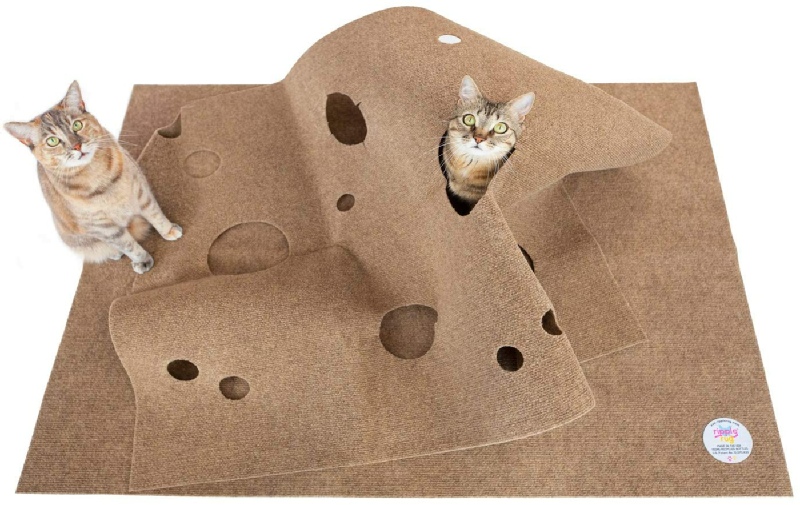
Playing & Toys: I'm going to include a list of the toys I use: 1. Feather Teasers (do not leave toys with feathers unattended with your kitten, they can tear out the feathers and ingest them and get sick or require surgery). Put the feather teasers or toys away where they can't reach them when not in use. 2. Rainbow Cat Dancer (do not leave unattended with your kitten/cat, they could chew a piece off and ingest it and get sick/require surgery). 3. Crinkle balls, balls with bells inside. 4. Ball and track toys, there's so many, i've used a bunch over the years. I use the plastic ones because they are easier to clean. 5. Mice Toys, just watch if they destroy it and fluff comes out. If the fluff comes out, sow the toy up or toss it. I do a lot of my cat toy shopping online and at the local pet store, wherever I can get a good deal. BIG TIP: During the holidays they have bulk variety toys you can purchase as a gift for your cat. I buy them all out afte holidays because they are such a great value (they mark them down quite a bit) and my cats and kittens go through them like you wouldn't believe! |
|
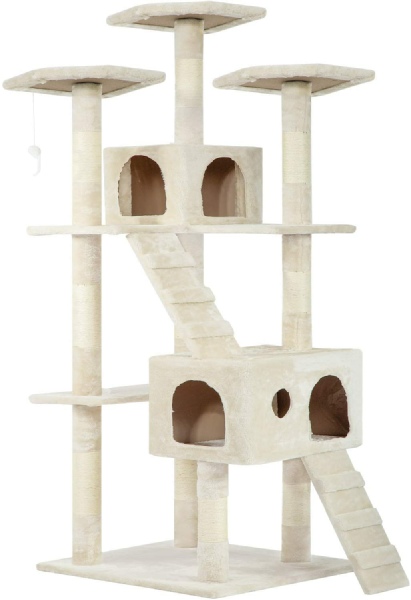
Scratching Post I have multiple cat trees, cat condos including a very modern, chic Lotus Cat Tower by Refined Feline (I have one in mahogany). The taller the tree, the better. Look out for cat trees with sisal rope, it's what they need to file their own nails down. My kittens are used to climbing cat trees becuase we have them in our kitten playrooms. Invest in at least one, your kitten friend will thank you. >^..^< |




| Sires |
| Queens |
| Balinese Queens |
| Siamese Queens |
| Lifes Abundance Cat Food |
| NuVet Plus Vitamins |
| Balinese Cat History |
| Siamese Cat History |
| Snow Tiger (Lynx) History |
| Allergy Test Kits |
| doTERRA Essential Oils |
| Guestbook |
| Sites & Links |
| References |
| Past Kittens |
| Client Kitten Pictures |
| Celebrities & Siamese |
| Cat Trees |
| Retired Cats (Ancestors) |
| FAQ |
| Breed Color Points |
| Torties and Red Points |
| Kitten Kits |
| New Kitten Checklist |
| Feline Health Directory |
| Early Spaying & Neutering |
| Agreements |